Ecuador is the supplier to plan around
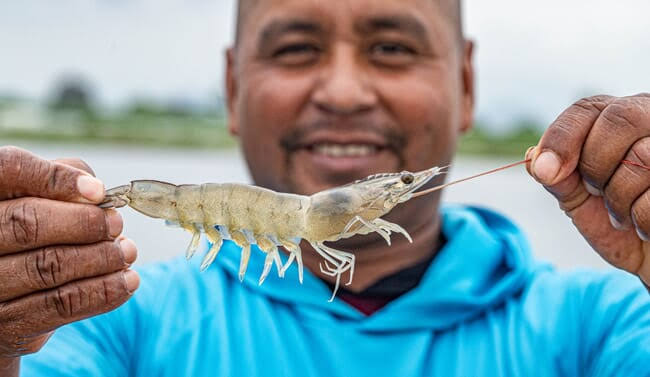
Ecuador exported a record 1,378,136 metric tons of shrimp worth USD 8.28 billion in 2025. It then set a new second-quarter record in 2026 of nearly 450,000 tons, up 14% year on year.
In the U.S., Ecuador supplied 40% of frozen warmwater shrimp imports in January–July 2026, overtaking India as the largest source for the first time. China still takes more than half of Ecuador's exports, so U.S. and European buyers compete with Chinese demand for the same raw material.
Tariffs: what applies today, and what is only proposed
Three layers apply to Ecuadorian frozen shrimp entering the U.S. today:
- Normal duty: frozen shrimp carries a zero general (MFN) duty rate.
- Section 301 surcharge, 10%: in force since July 24, 2026. It replaced a temporary 10% surcharge that expired the same day, so the rate did not double. India and Indonesia pay the same 10%; Vietnam pays 12.5%. Frozen shrimp was not among the Ecuadorian products exempted.
- Countervailing duty (CVD): an order on Ecuadorian shrimp has been in place since December 2024, with company-specific rates. In August 2026, the U.S. Department of Commerce rejected a request by three Ecuadorian exporters to be excluded from it.
The headline risk is the Ecuador Shrimp Tariff Act (S. 5613), introduced in the U.S. Senate on September 30, 2026. As written, it would set a general duty of 10% from January 1, 2027, 20% in 2028 and 40% from January 1, 2029. It would also add USD 0.10 per kg on covered shrimp imports to fund inspections, and extend country-of-origin labeling to cooked shrimp.
The bill is backed by the Southern Shrimp Alliance, which argues that fast-growing Ecuadorian volumes, partly financed by international development banks, are pushing down prices for U.S. Gulf shrimpers. Ecuador's industry argues its growth comes from efficiency and freight advantages. It is a bill, not a law. It still needs committee action, votes in both chambers and a signature. Treat it as a scenario for your 2027–2029 sourcing plan, not as a cost on your next invoice.
El Niño: good growth now, flood risk later
Forecasters expect the strongest El Niño in about 25 years, with conditions building through Q4 2026. For Ecuadorian farms the effect runs in two phases:
- Warm, dry months speed up growth. July 2026 exports topped 150,000 tons, a 49% jump and an all-time July record, which analysts linked to the early warming.
- Heavy rains can follow. Ecuador's coastal rainy season typically peaks between January and April. Severe El Niño rains bring flooding, dike failures, sudden salinity and alkalinity drops, and higher disease pressure in ponds.
The practical read: supply looks strong into the end of 2026, and the risk window for harvests and road logistics is Q1–Q2 2027.
Power cuts and the cold chain
In October 2026, Ecuador faced an electricity deficit of roughly 1,200 MW, with unscheduled blackouts and emergency power imports from Colombia. Industry reports describe disruption to processing plants, including shortages of ice and packaging. Farms need power for aeration and pumping; plants need it for freezing and cold storage.
Larger packers run backup generation, but a long outage still raises costs and can delay loadings. Ask your supplier directly how many hours of plant operation their backup covers.
What importers should do now
- Lock Q1 2027 volumes before year-end, while supply is strong and ahead of the rainy season.
- Add a tariff clause to every contract: who pays if a new duty applies before the entry date, and whether the price can be reopened.
- Choose your Incoterm deliberately. Under FOB or CFR, duty risk sits with you; under DDP, it sits with the exporter and will be priced in.
- Confirm your supplier's CVD rate and keep the Commerce documentation in your entry file.
- Ask each packer for its contingency plan: backup power hours, ice capacity, cold storage and alternate ports.
- Hold 2–4 extra weeks of safety stock for February–April arrivals.
- Review S. 5613 monthly and model 2027 landed cost at 0%, 10% and 20% added duty.
Talk to us
Cepromar has more than 30 years of experience processing and exporting Ecuadorian seafood, including farmed white shrimp. [Insert: Cepromar shrimp presentations, certifications and monthly capacity.] Contact our sales team to plan your 2027 program.
Sources: Southern Shrimp Alliance on S. 5613 · S. 5613 bill text (GovInfo) · Undercurrent News on the tariff schedule · The Cuenca Dispatch on the Section 301 tariff · Perishable News on the CVD expedited review · SeafoodSource on 2026 export records · Expana on El Niño and 2025 exports · Aquaculture Magazine on El Niño pond risks · Hamer Intel on the power deficit